|
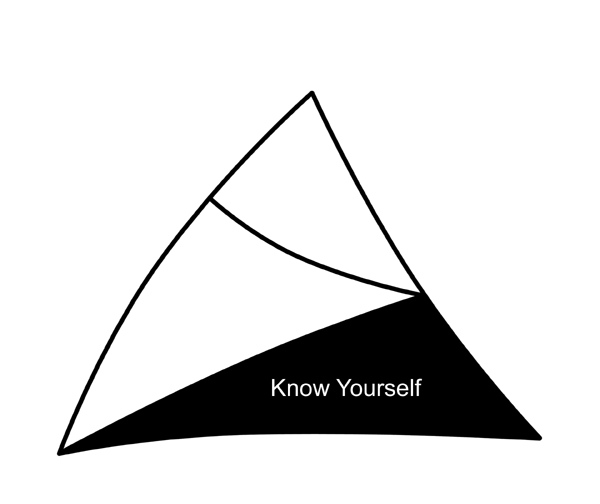
Know Yourself: The Guide
The foundation of the
adventure experience is you, the guide. You are the sum of
your abilities and experiences. You are governed and
restricted by what you can and shouldn’t be doing this is
your scope of practice. The expectations placed on you by
yourself, and others will shape how you conduct yourself and
whether your personal needs are being met.
Every guided experience is
only going to be as strong as the person leading it. Leading
people in the capacity of a guide carries a great deal of
responsibility and expectation. The guides that master their
craft do so with a large reservoir of skills, experience and
self-awareness.
We are all just the sum of
our parts and if you are a guide your parts include your; abilities,
scope of practice, expectations and the your
needs.
Abilities:
A guide’s abilities include both soft and hard
skills, personality traits and physical abilities. This
defines who they are.
Scope of Practice:
the guide’s scope of practice is an outline of
everything the guide is qualified to be guiding. For
professional guides this determination is often made by
guiding organizations. There may be restrictions placed on
what a guide can and cannot do by the organization they work
for or even by government.
For volunteer guides the
scope of practice is governed more by ethical and moral
guidelines, than institutional guidelines.
A parent teaching their child
how to drive is not legally restricted to the same level as
someone who claims to be a professional climbing guide. The
climbing guide that is paid for their services has to have a
much higher level of qualification and training. The
climbing guide is held to these standards by guiding
institutions, the industry they work in, land managers and
insurers.
On the other hand the parent
does not need any formal training to teach their children.
However most people would agree that if the parent is a poor
driver themselves, then they really shouldn’t be teaching
their children to drive. Taking that a step further, many
people would argue that if the parent is not a professional
driver, they should be enrolling their child in a driving
program operated by a qualified organization.
Both the climbing guide and
the parent are acting as guides, leading an adventure. While
the climbing guide is governed by a clear scope of practice,
the parent is not. A guide’s scope of practice is not
always black and white.
Often the best way to measure
what a guide should be guiding is to look at what other
guides in similar situations are doing. A parent might be a
great driver but if all the other parents are sending their
children to driving school then the parent who opts to guide
their child themselves is technically working outside their
scope of practice.
In the end no one should be
guiding things they are not qualified to. The scope of
practice defines what a guide can do.
Expectations:
While the scope of practice defines what a guide can
do, the expectations of a guide refer to how the
guide should do it. Guides are governed by expectations
placed on them by the people they guide, the organizations
they represent, their partners, family, potentially
government and of course themselves.
Expectations take the form of
accepted operating practices, policies, procedures,
professional ethics and operating standards. To be
successful guides must understand the business they work in
and the expectations placed on them to be successful. The
expectations placed on guides lay out the standards by which
guides need to go about getting the job done.
Guide’s Needs:
Meeting the needs of others is one of the big challenges
that guides face but what of the guide’s needs? The
reality is that you are only good at what you like to do. If
you are not having a good time it is hard to make others
happy and guides are in the happiness business. The Guide’s
needs are important, at the end of the day guides are doing
what they do for a reason. What does the guide want to get
out of it?
Who a person is and what they
can do is always changing. Knowing what you can do and what
you want to get out of it are essential elements to
delivering an exceptional adventure. Great guides are
self-aware and learn from their experiences.
|